





 |
Learning Objectives
Students need to be able to know the basics of clay sculpting – using slip and scoring techniques, as well as how to make 3-dimensional objects.
Materials
Air Dry Clay, beads, buttons, feathers, straws, pipe cleaners, toothpicks, skewers, popsicle sticks (for bone folders), paper clips (for marking fine details in clay), forks (for scoring), water (for slip), buckets (for washing hands), construction paper, drawing paper, oil pastels, glue sticks, elmer’s glue, tissue paper, scissors, tape, visual aids, clay books.
Vocabulary
Coil, wedge, slip, score, texture, accordion, symmetry
Artists
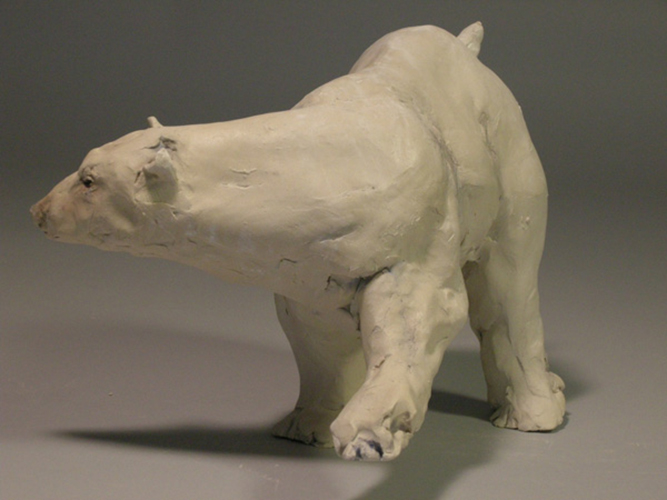
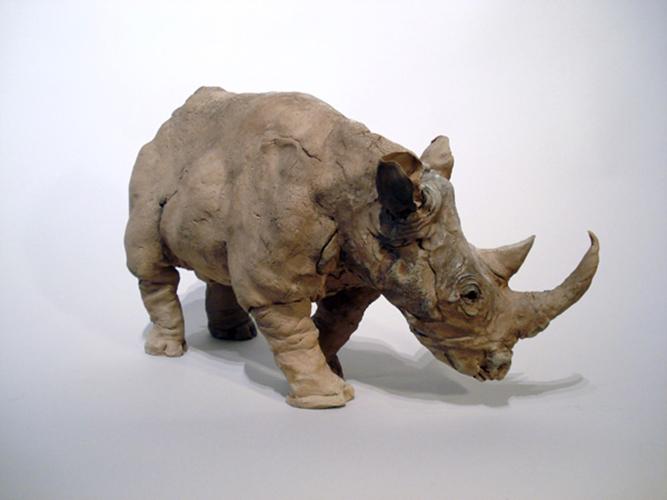
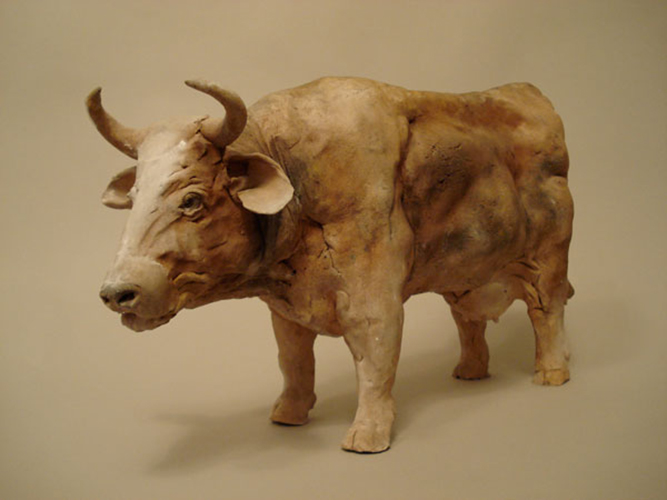
Bill Evans
 |
 |
 |
Lesson
This lesson introduces students to clay and proper techniques of clay molding.
For a warm up activity, have students draw a favorite animal, either real or imaginary.
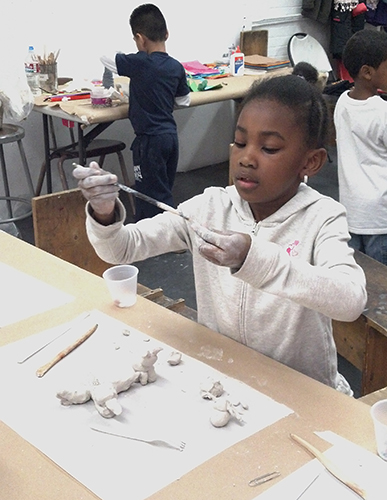
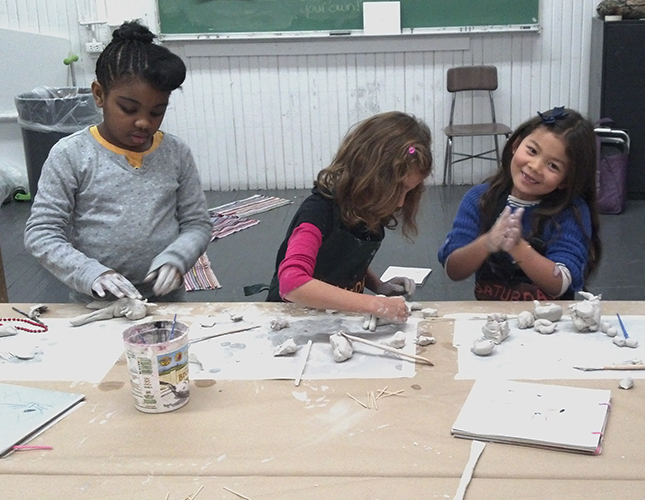
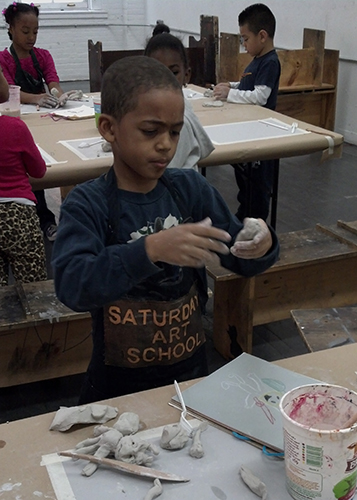
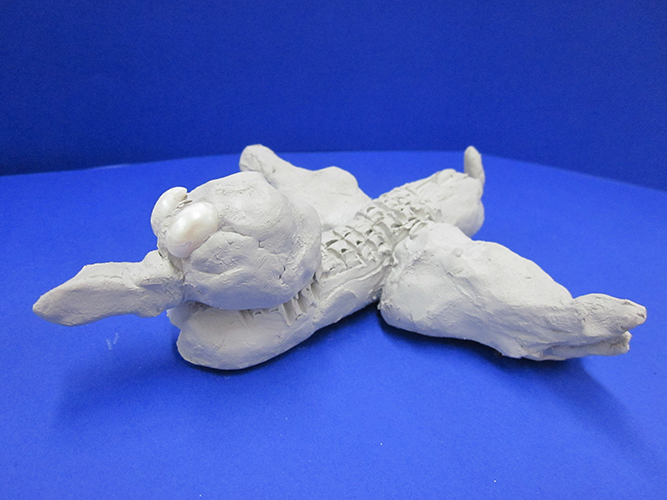
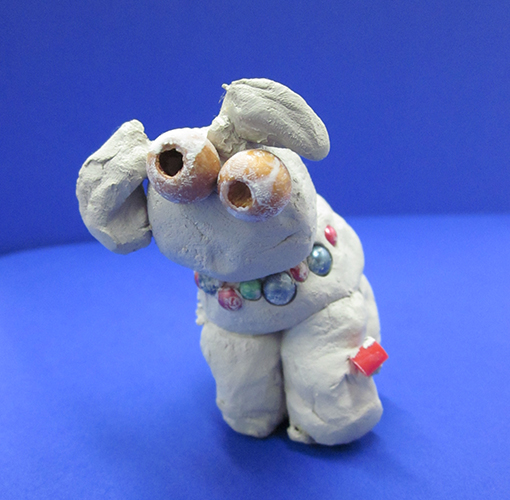
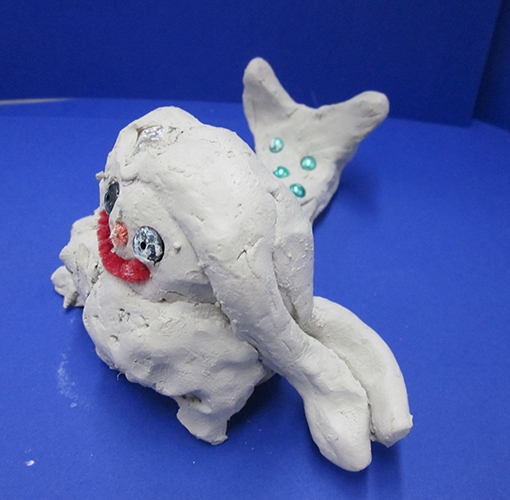
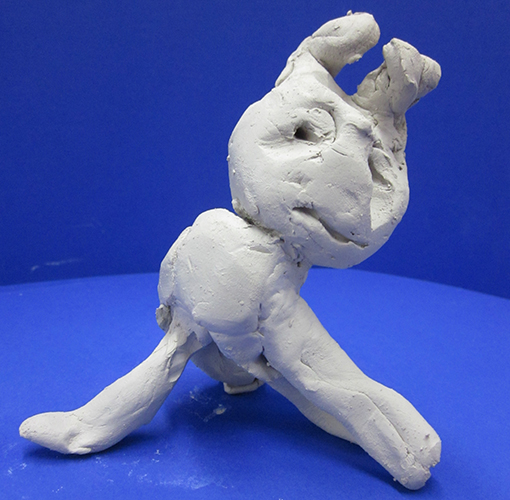
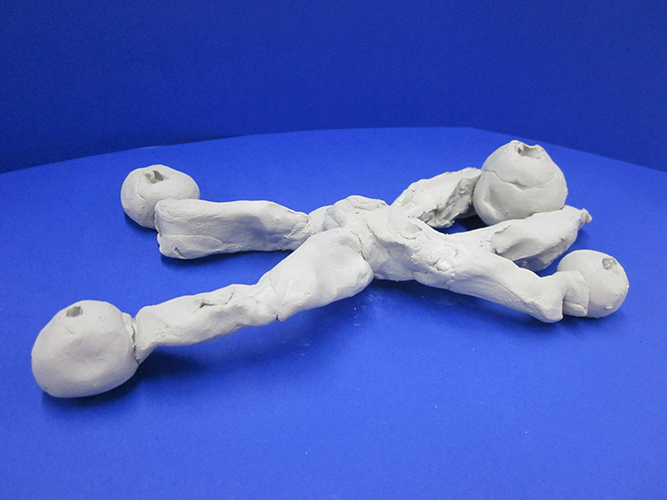
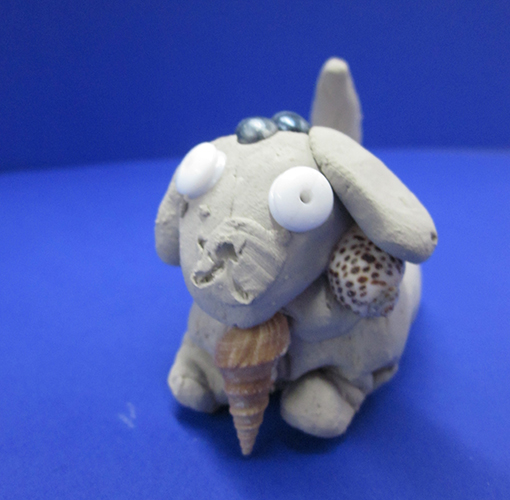
Using clay, students are shown how to wedge and roll clay into balls. From here, students can form the basic bodies of their creatures and pinch out limbs or add them by using the slick and score method, and use of a ligature. When students are happy with their creatures they can "shop" at the accessory and texture station to add beads or shells to their creatures.
 |
 |
 |
 |
 |
 |
 |
 |
 |
