





 |
Learning Objectives
Color mixing and being able to draw from observation are integral to future art classes, and skills that are necessary for future painters.
Materials
Fruits, gourds, vegetables, precut sheets of 18” x 17” white watercolor paper for painting the foods upon, 15” x 20” white watercolor paper for background washes, 11” x 12” extra watercolor paper for those who finish early, sketchbooks from previous class, watercolor paints, assorted colored crayons, yogurt bins for water (less tipping of water possible with a bigger, heavier, container), 3x13 various sized watercolor brushes, crepe paper for table protection, scissors, glue sticks, tape, visual aids.
Vocabulary
Wash, dry brush, wax resist, shape, form, undercoat, brush stroke, layers, texture
Artists
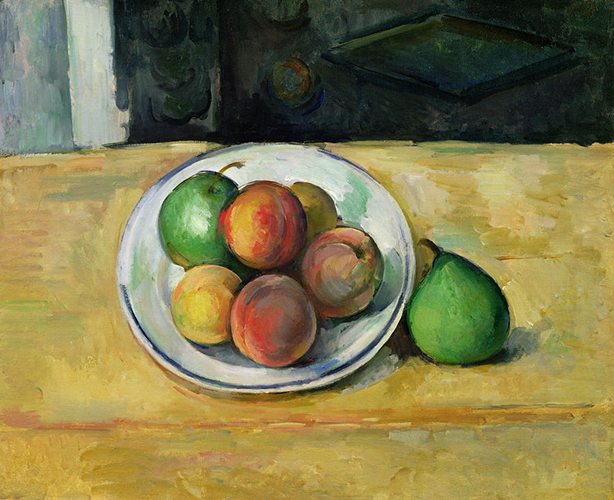
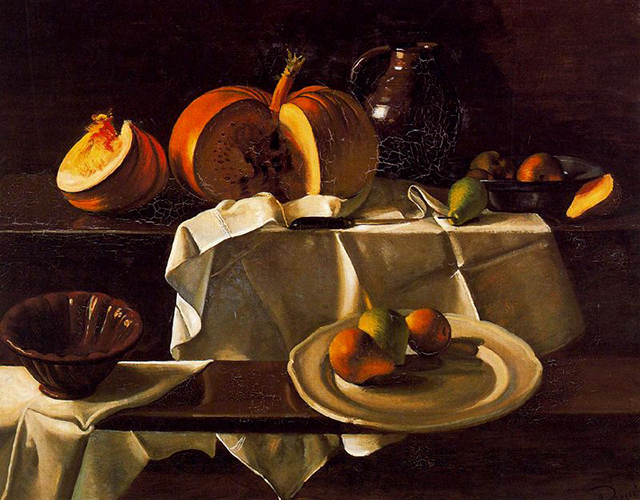
Paul Cézanne, André Derain
 |
 |
 |
Lesson
This lesson deals with shape and form as well as the introduction to the concept of the still life. Being able to draw from observation is a valued skill, and an old technique that goes back centuries in the training of young artists. This also introduces basic techniques of watercolor - wash, drybrush, and wax resist.
A fun little introduction to wax resist is to give all the students white crayons and small pieces of watercolor paper, and to ask them to write or draw something. Going over the white crayon will reveal their messages or drawings to much excitement.
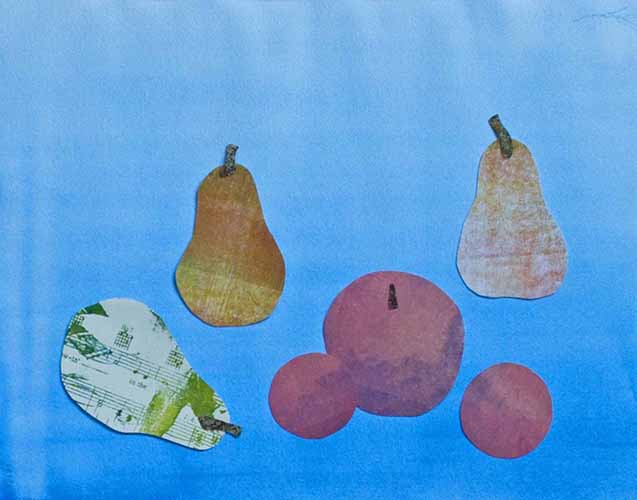
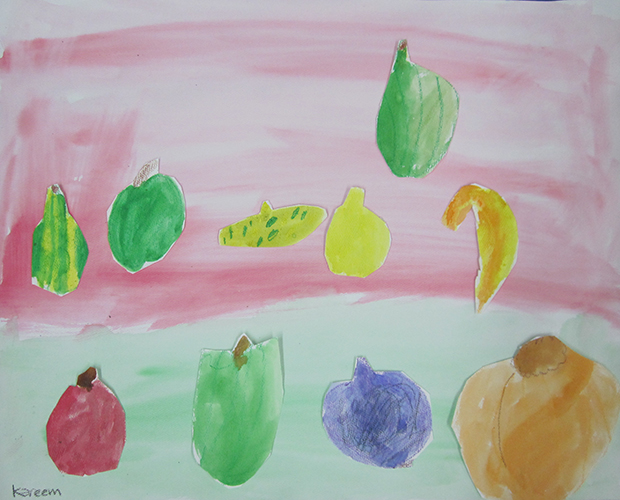
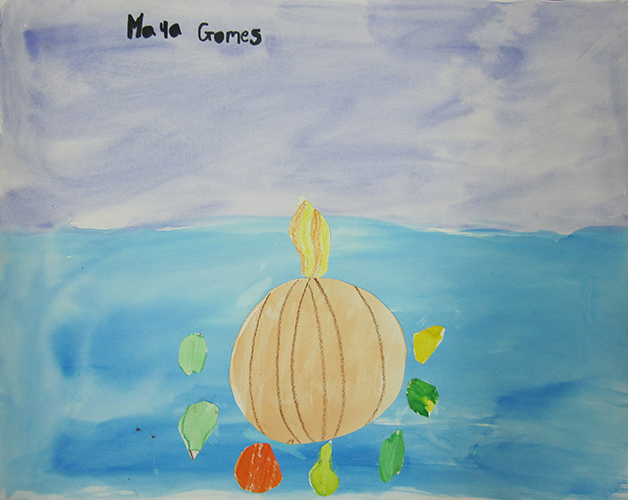
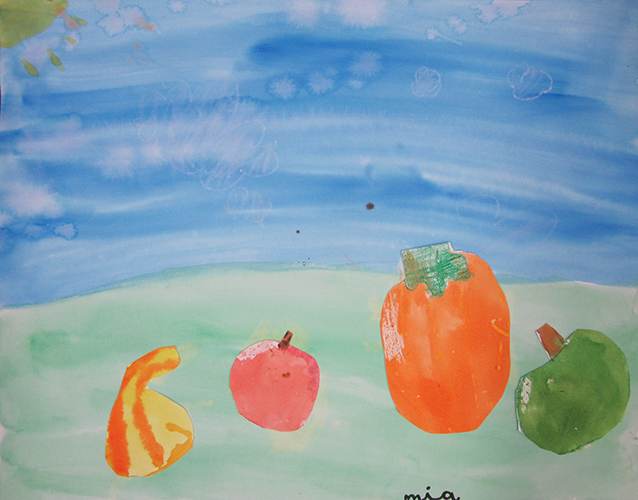
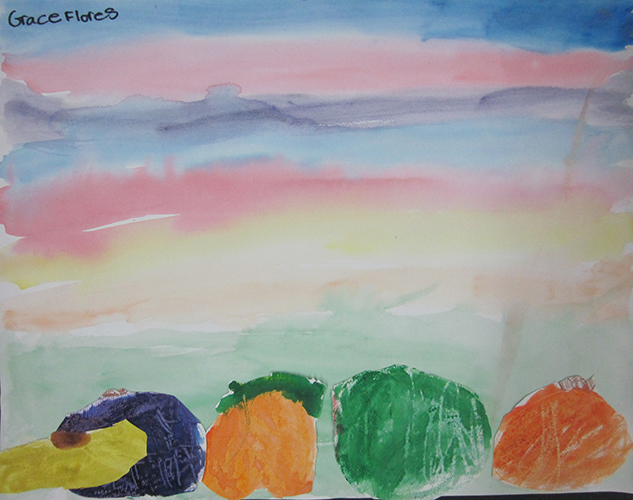
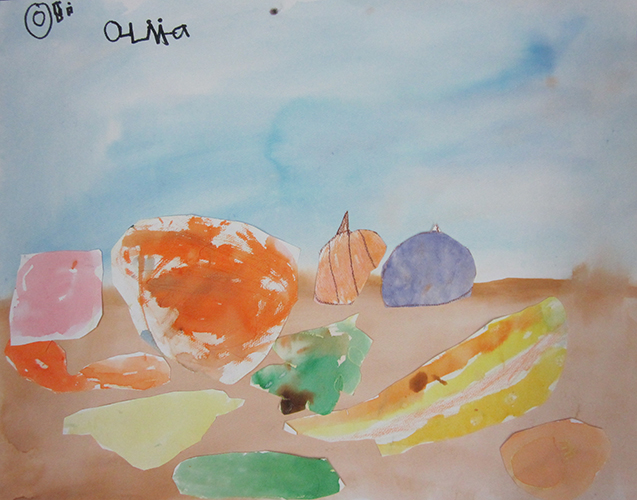
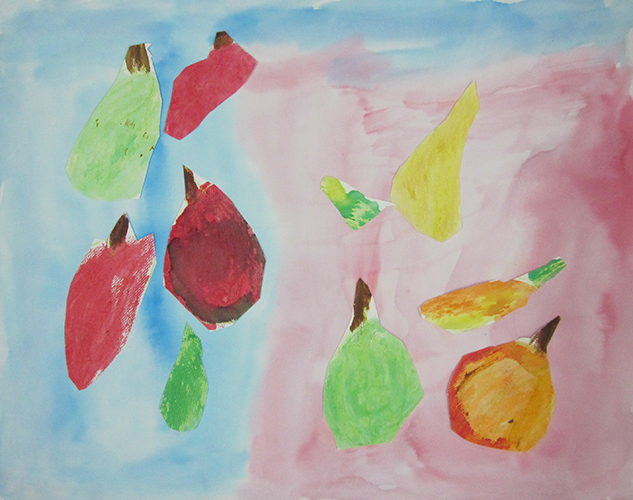
Using the 15" x 20" sheets of watercolor, students are to pick a color (or more if they would like) and put down a wash for their background. While these are drying, students can pick and choose which fruit they would like to draw with their crayons - these can be shared, held, and handled so that they can feel the textures and shapes. When they have finished outlining and making texture and highlights in crayon, can then go in with watercolor which will resist their crayon drawings. After these have dried, students are to cut out their drawings and paste them in a desired composition upon the watercolor wash backgrounds they made earlier.
 |
 |
 |
 |
 |
 |
